Gather

A modular collaborative robot designed to autonomously transport crops, materials, and equipment while assisting farmworkers in specialty crop operations.

Gather modular agricultural robot
Back to Projects

Project Summary

The Gather project focused on developing a modular collaborative robot designed to autonomously transport crops and materials through vineyards, orchards, nurseries, and other specialty crop operations. The platform was engineered to be compact, easy to operate, and adaptable through interchangeable attachments for a variety of agricultural tasks. Additional information about the platform can be found on Gather.ag.
Videos

A field demonstration of the Gather robotic platform in a commercial grape field. The demo shows the robot following a worker through the vineyard rows, demonstrating its ability to navigate alongside field personnel in a real agricultural environment.

Images

Gather project image 0
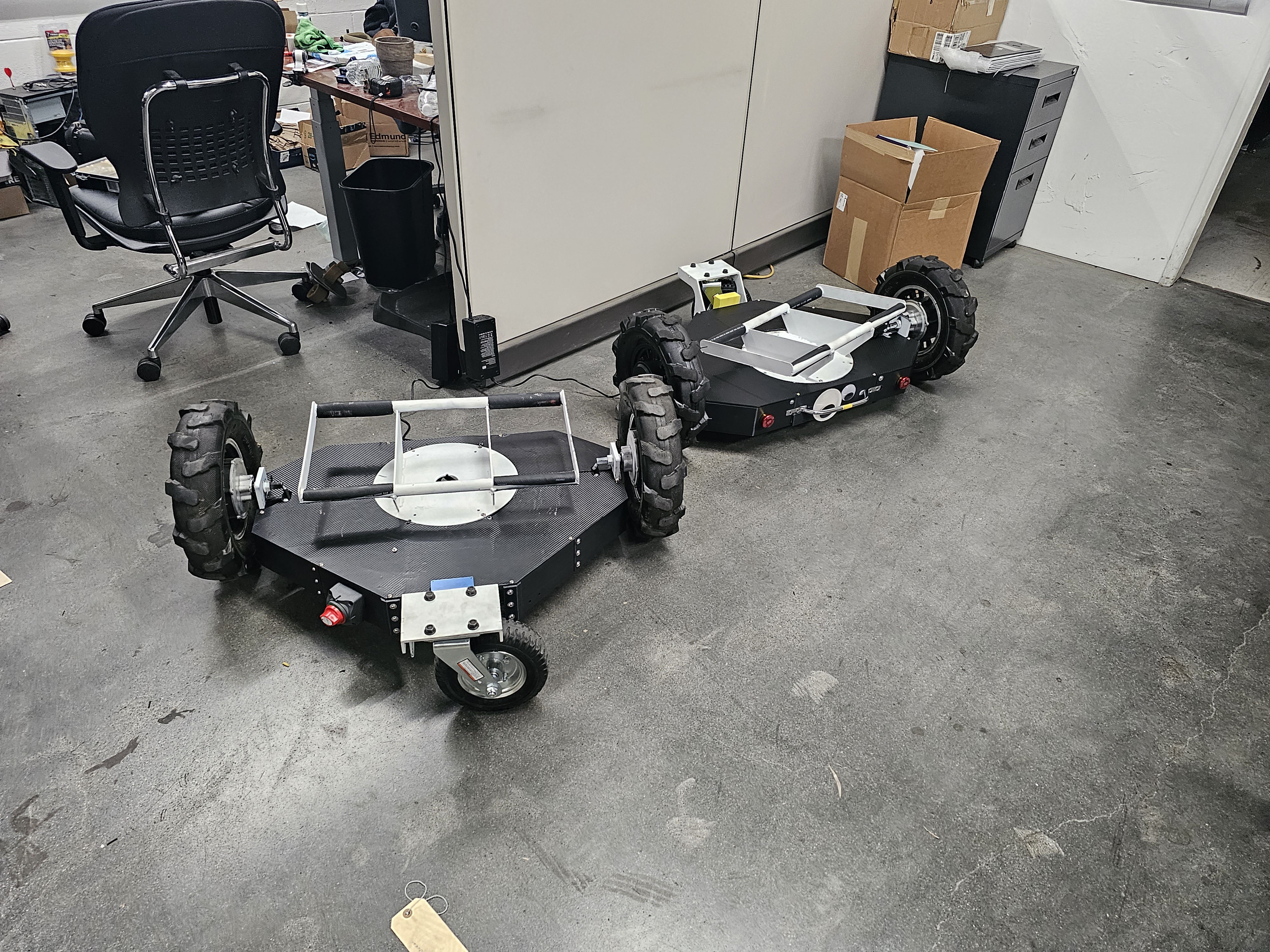
An earlier version of the Gather robotic platform. This iteration was designed primarily to transport harvest containers through the field, reducing the need for workers to manually move loads using traditional wheelbarrows. I contributed to the development of this version by assisting with the robot's electrical harnessing and wiring.
Gather project image 1
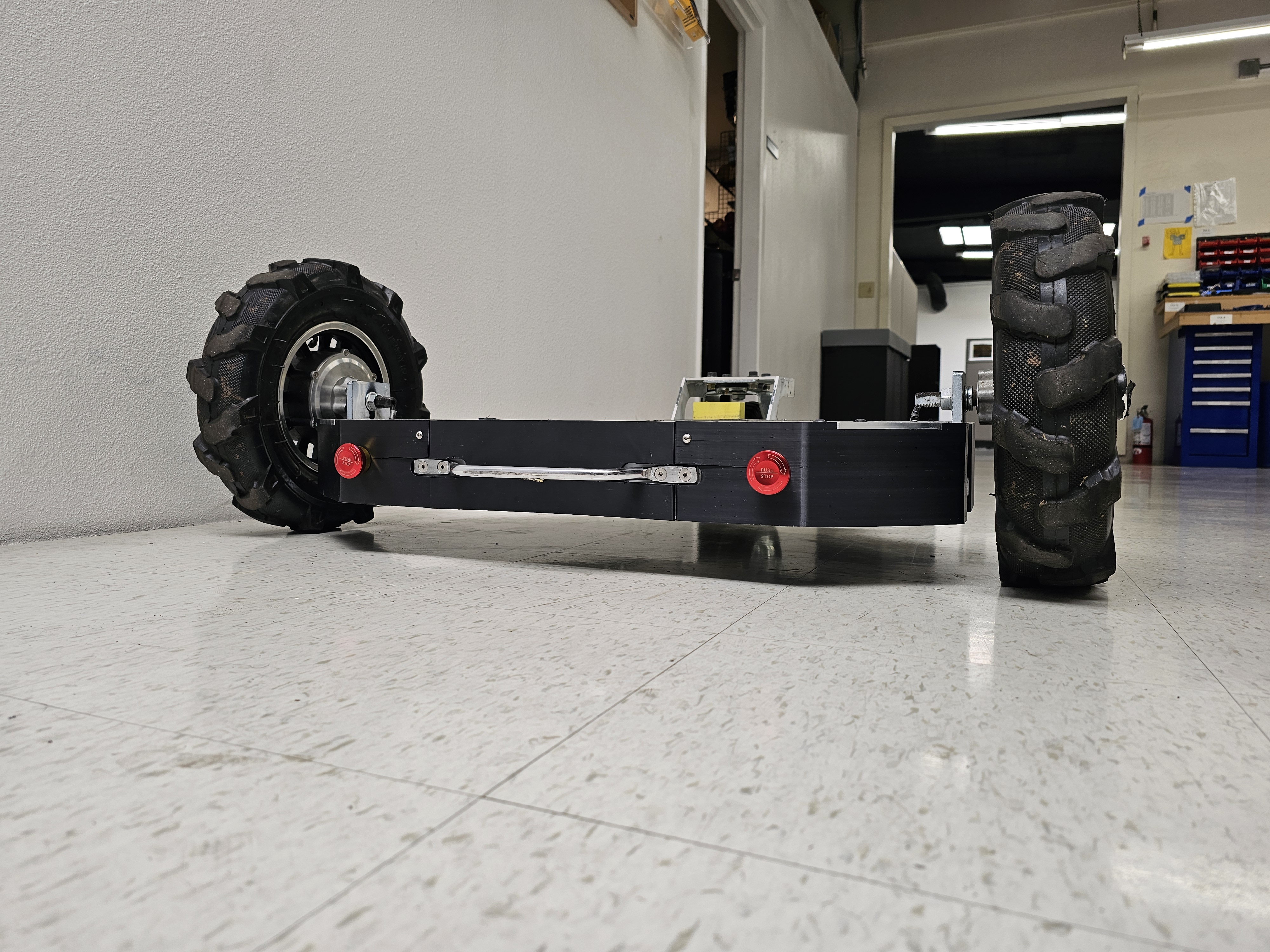
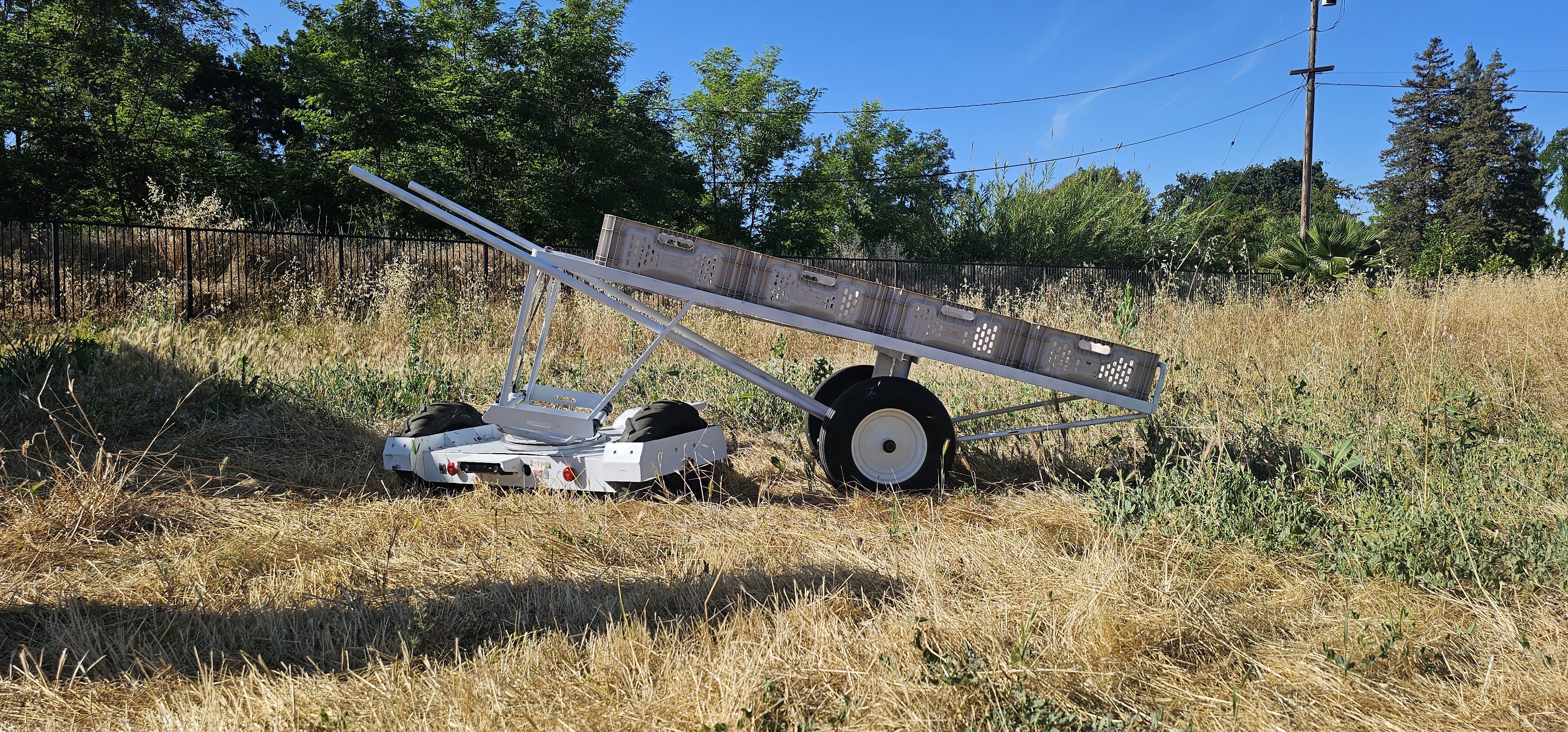
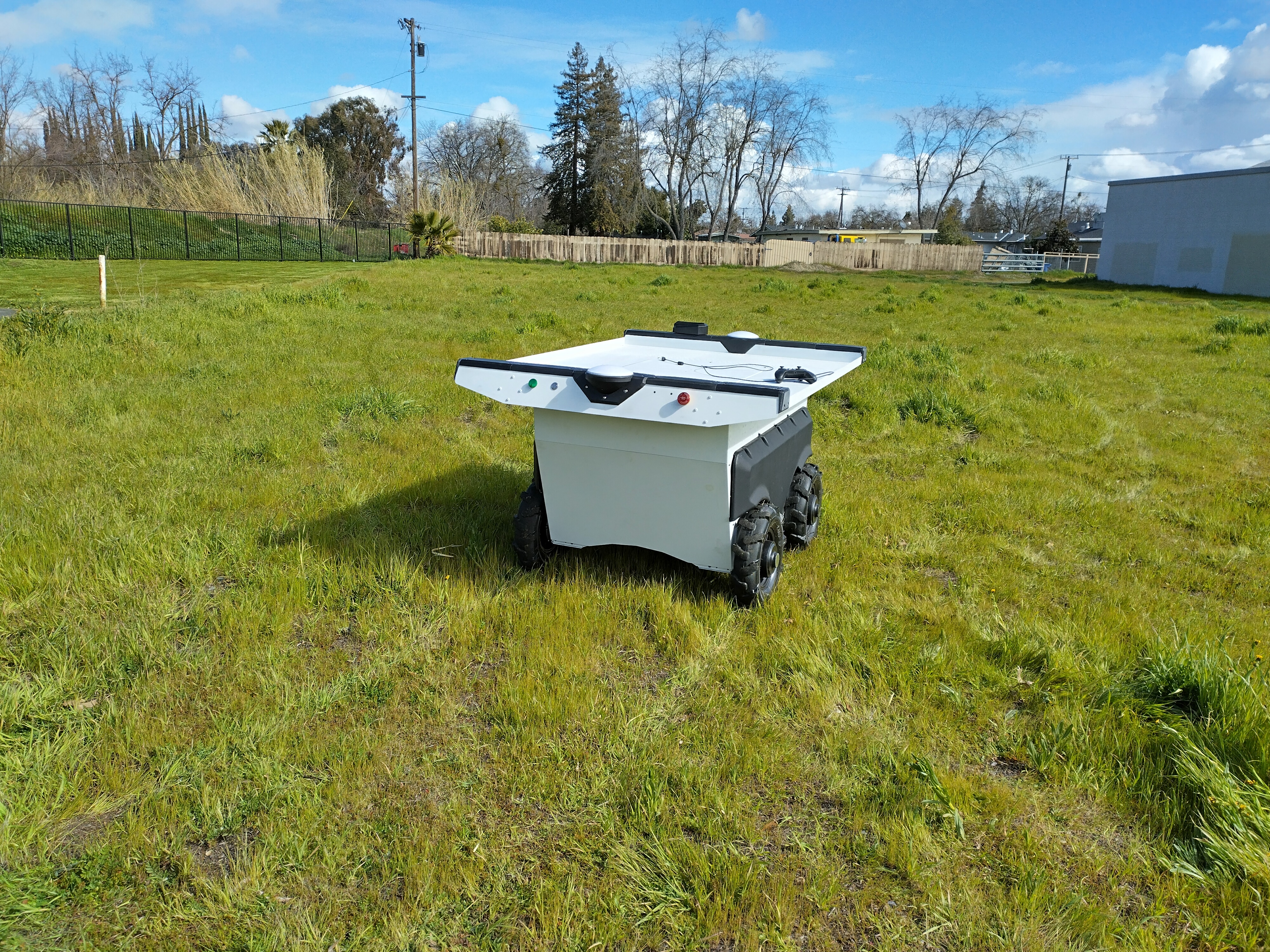
The first version of the Gather robotic platform, developed around a set of practical design requirements for agricultural use. The robot needed to be light enough for two people to safely lift, compact enough to move freely underneath a wheelbarrow, and capable of attaching to and transporting a standard wheelbarrow through rough field terrain. The design also prioritized simple and intuitive user interaction, easy access to the batteries and electronics for maintenance, low manufacturing cost, and packaging the functionality of the previous larger robotic platform into a significantly smaller system.
Gather project image 2
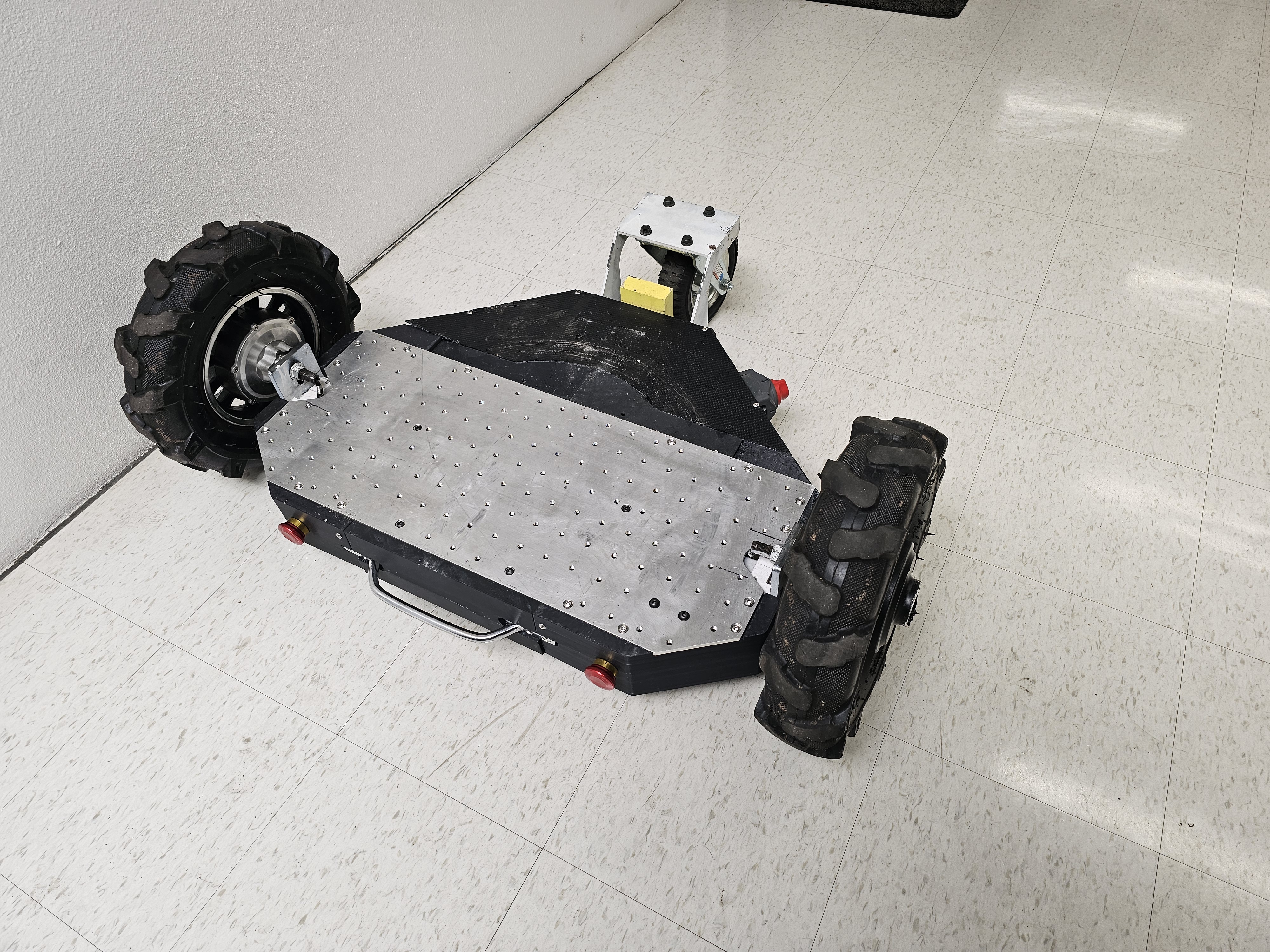
This version of the Gather robotic platform was developed as a modular system for users who needed greater flexibility than the previous wheelbarrow-focused design. The platform was updated with multiple mounting points that allow users to integrate their own equipment, including additional cameras, sensors, actuators, probes, and other tools. The goal was to create a versatile robotic base that could reduce manual workload while giving users the freedom to develop and adapt solutions for their specific applications. It can also serve as an educational tool for students and for anyone curious about robotic systems, providing a hands-on platform for learning, experimentation, and innovation.
Gather project image 3
A modular version of the Gather robotic platform, highlighting the mounting plate designed for attaching additional components and tools. The plate allows users to customize the robot for different applications by adding equipment such as sensors, cameras, actuators, probes, or other accessories. This design supports flexibility, encourages experimentation, and helps make the platform useful for both practical tasks and educational exploration in robotics.
Gather project image 4
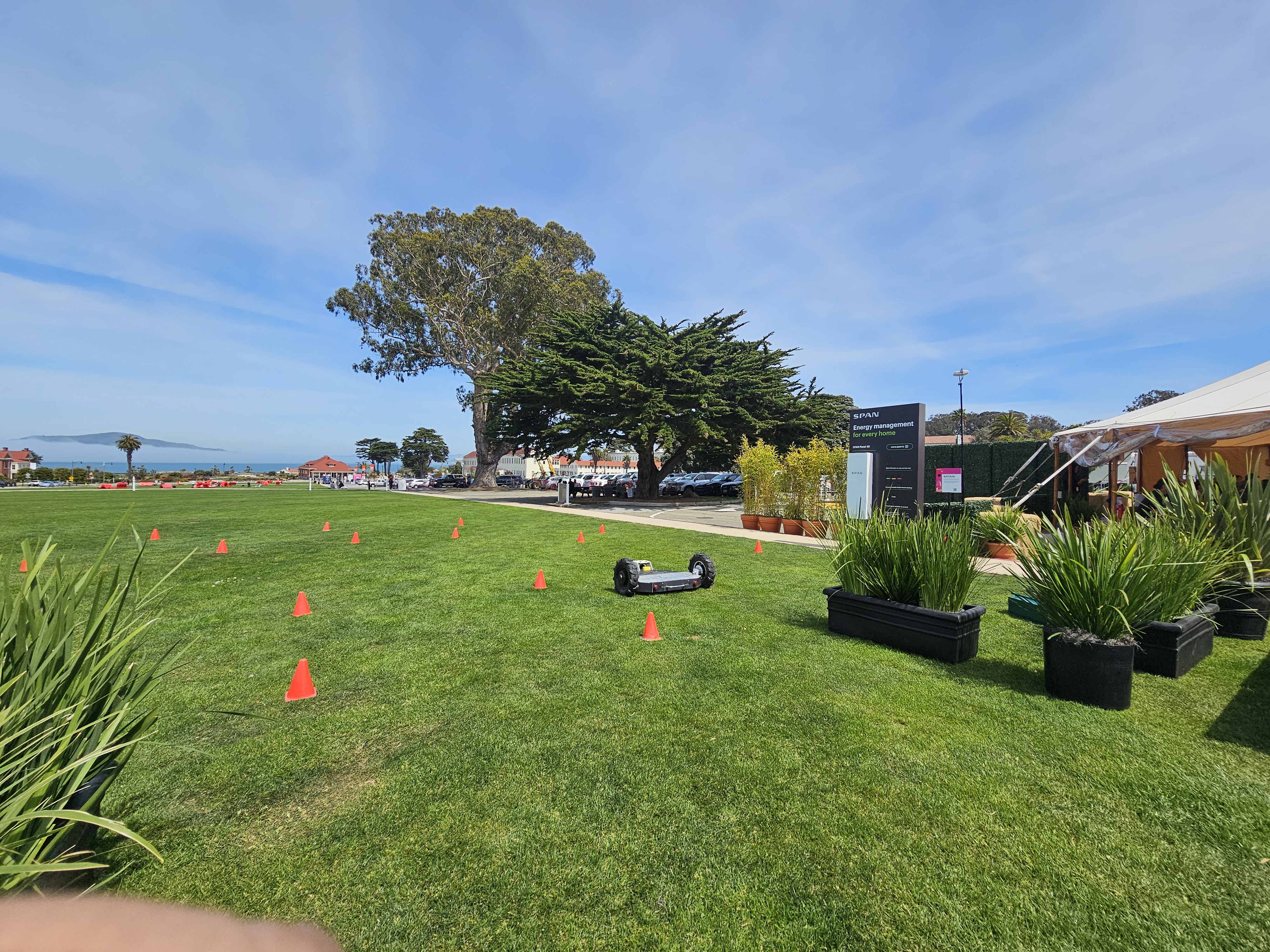
An obstacle course was prepared for a demonstration at an event in San Francisco. The course was used to showcase the robot's mobility, maneuverability, and ability to navigate around obstacles in a controlled outdoor environment.
Gather project image 5
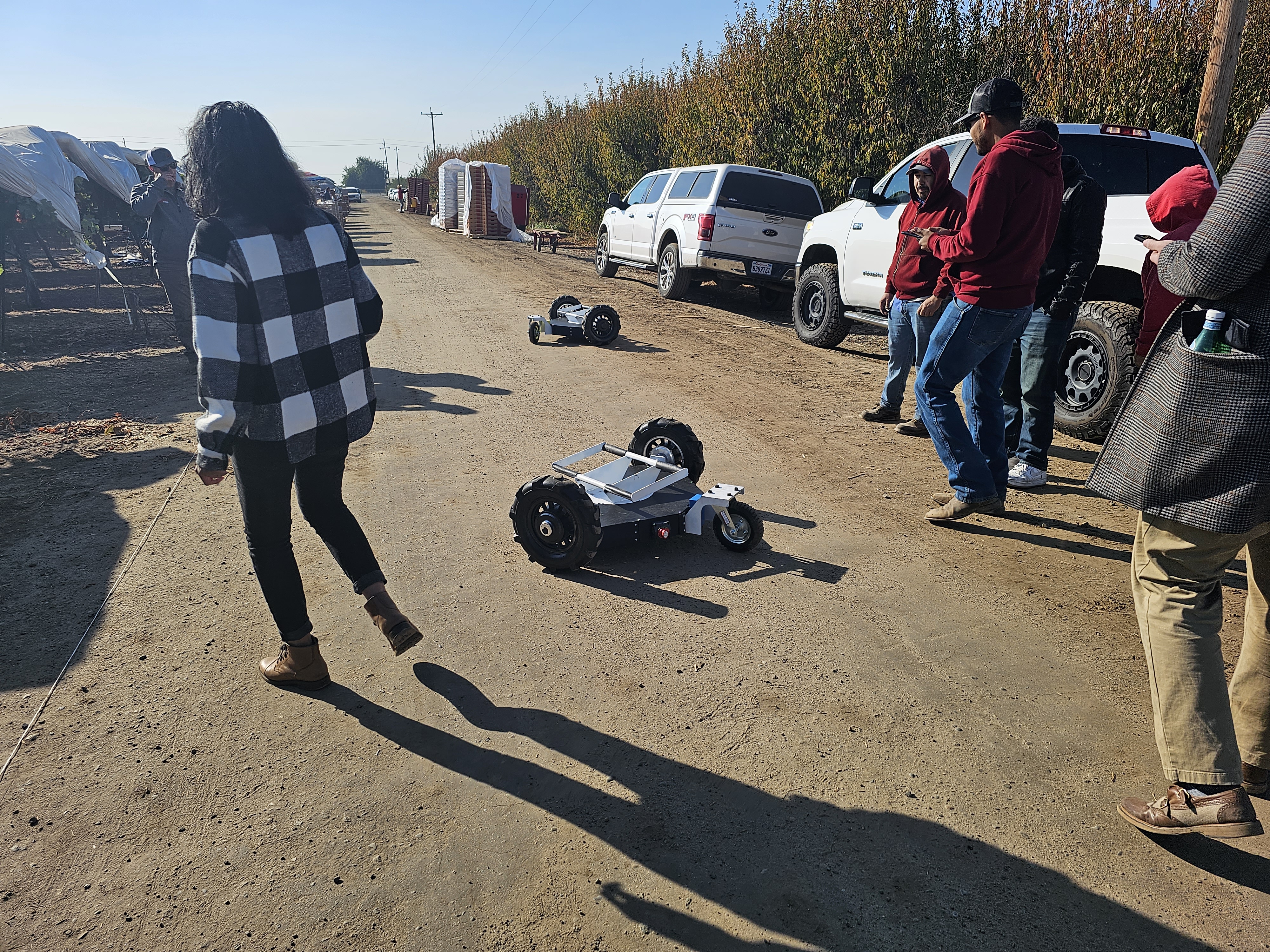
This image shows the Gather robotic platform being demonstrated to a client in a real agricultural environment. The field demonstration provided an opportunity to showcase the robot’s mobility, operation, and overall functionality while allowing the client to observe and evaluate the system under realistic working conditions.
Gather project image 6
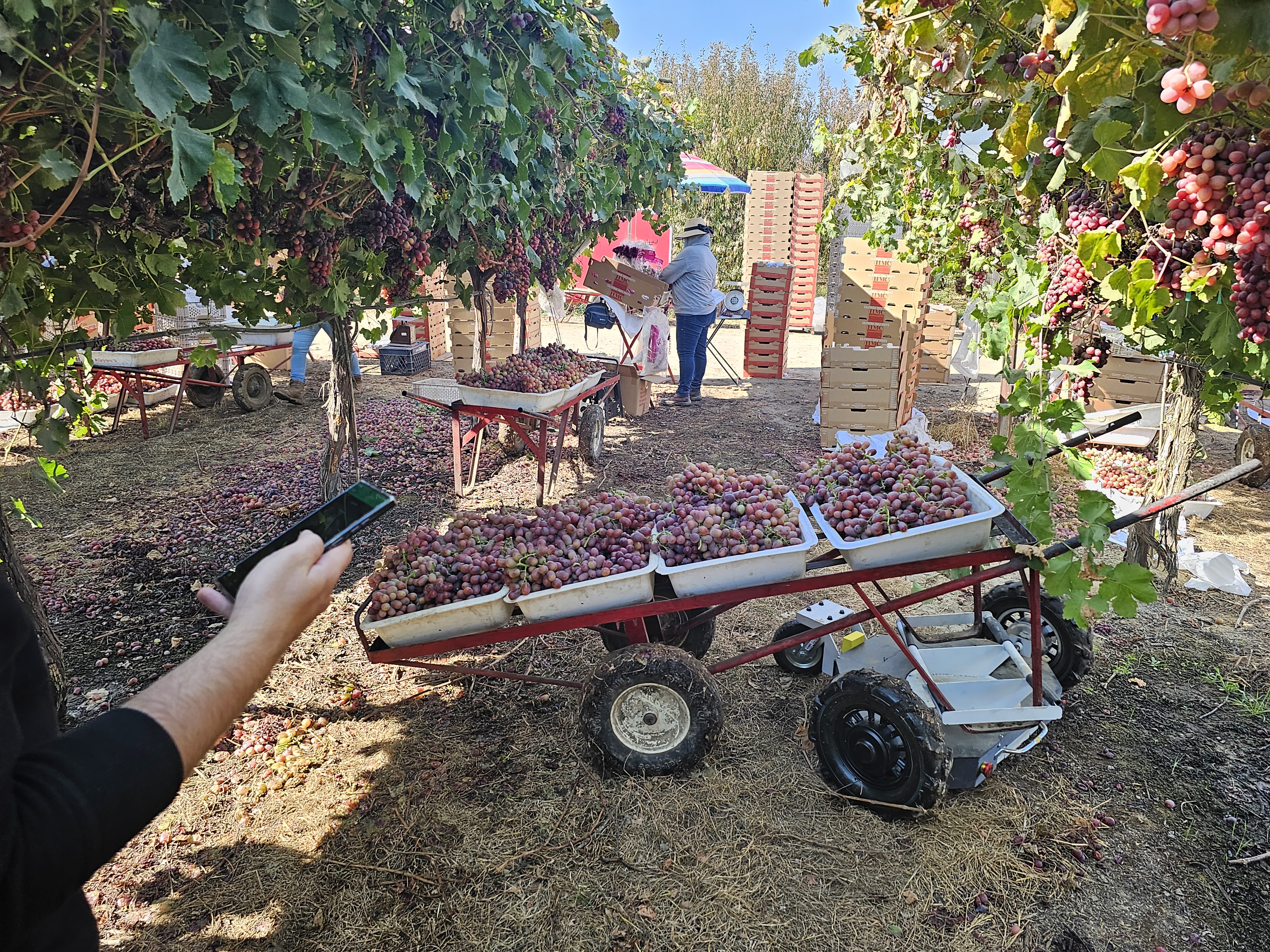
The Gather robot tows a wheelbarrow loaded with approximately 300 pounds of harvested grapes through the vineyard. This demonstration highlights the robot’s ability to handle substantial loads and assist with material transport during harvest operations.
Gather project image 7
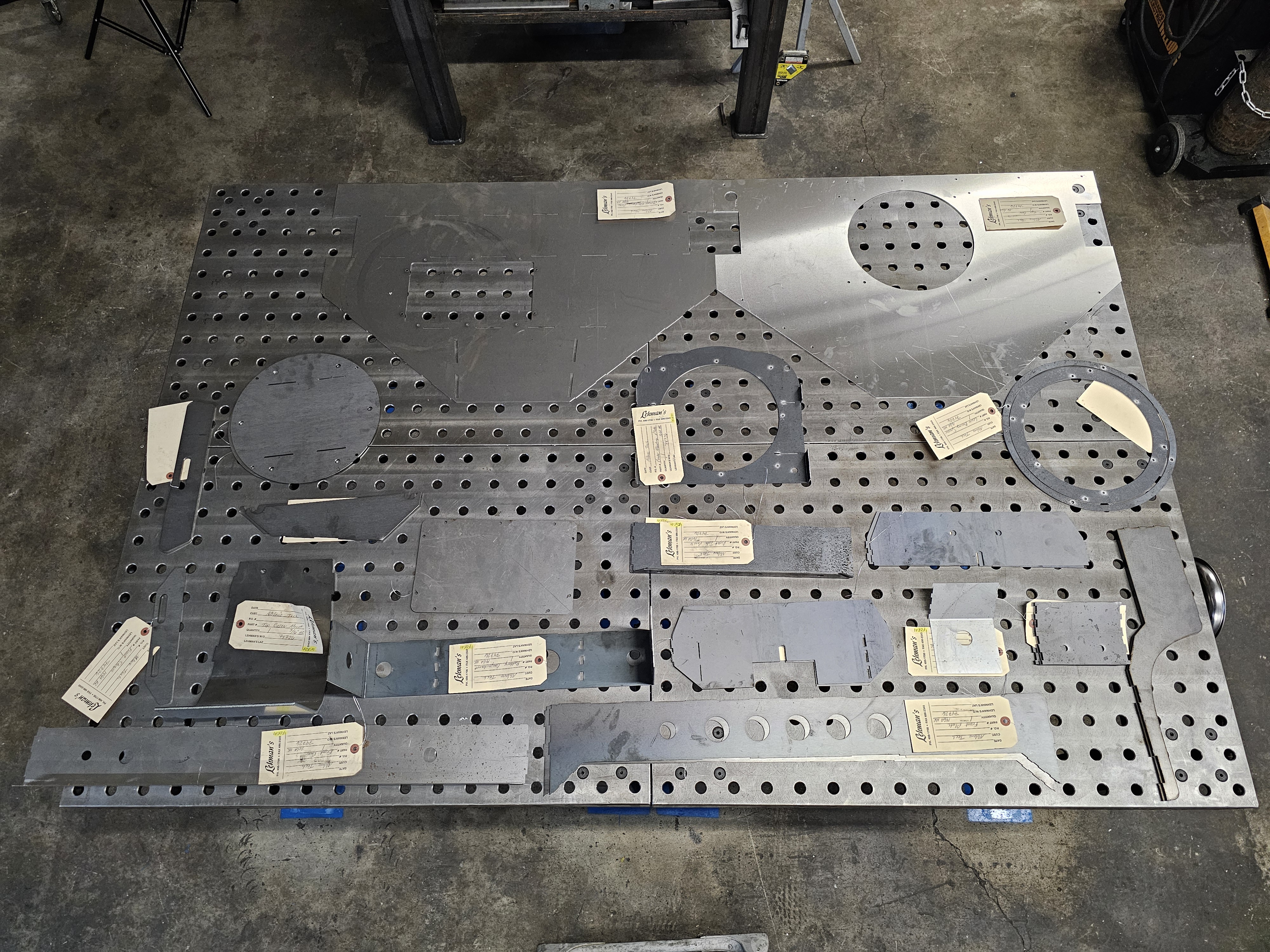
This is one of my favorite examples from the Gather robot because it demonstrates how thoughtful sheet-metal design can turn relatively thin 16-gauge material into a structure capable of supporting heavy loads. Strategic bends and geometry provide the required stiffness without unnecessarily increasing weight or material thickness. I also incorporated tab-and-slot features throughout the design to make the components self-fixturing during assembly. These features simplify alignment, reduce the need for dedicated fixtures, and make welding and final assembly easier and more repeatable for the manufacturer.
Gather project image 8
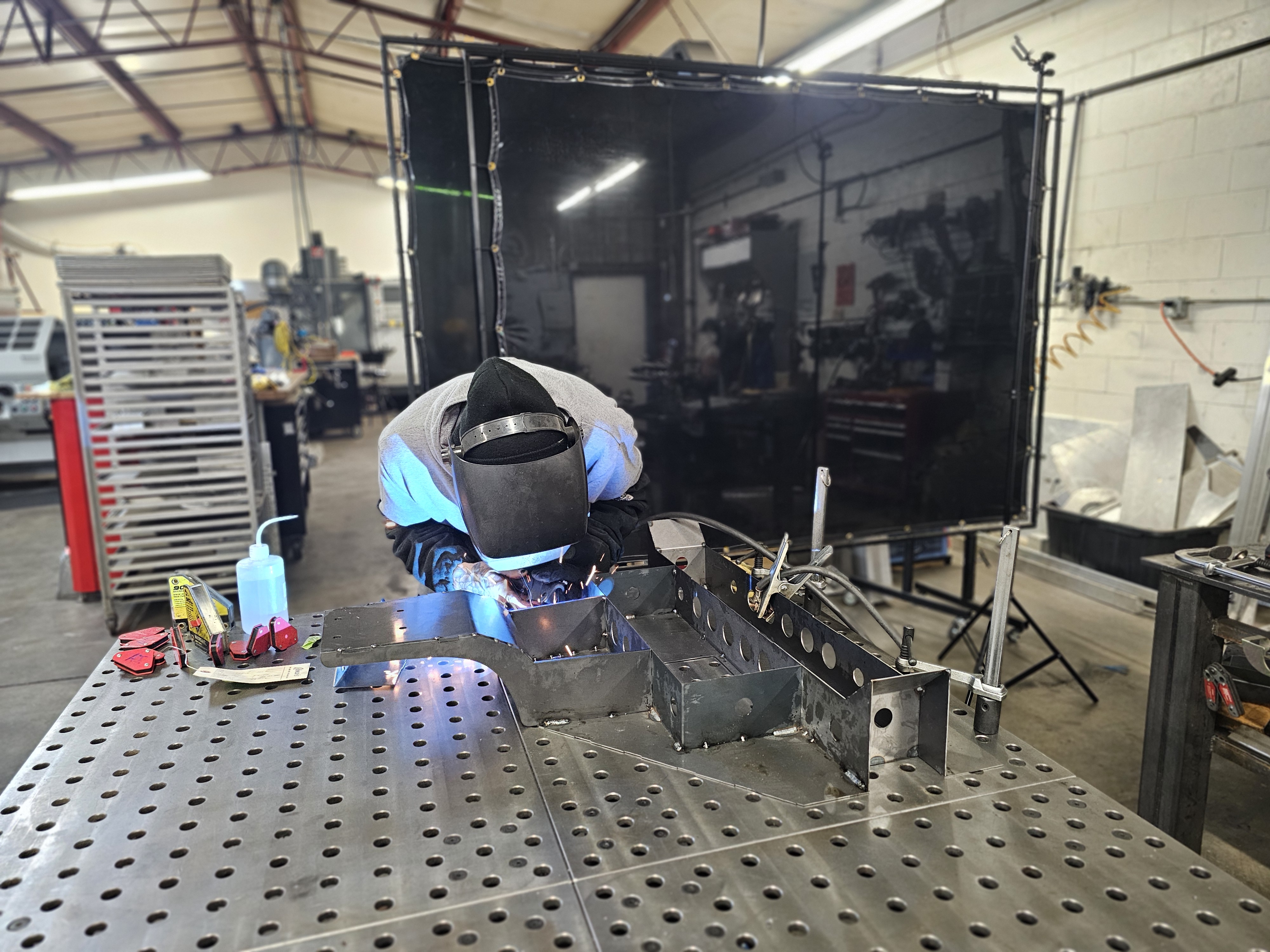
This version represents the next evolution of the previous Gather robot, with the chassis redesigned around a more refined sheet-metal construction. During fabrication, the tab-and-slot features built into the parts helped locate and align the components before welding, allowing much of the structure to self-fixture during assembly. This simplified fabrication, reduced alignment errors, and made the manufacturing process more repeatable.
Gather project image 9
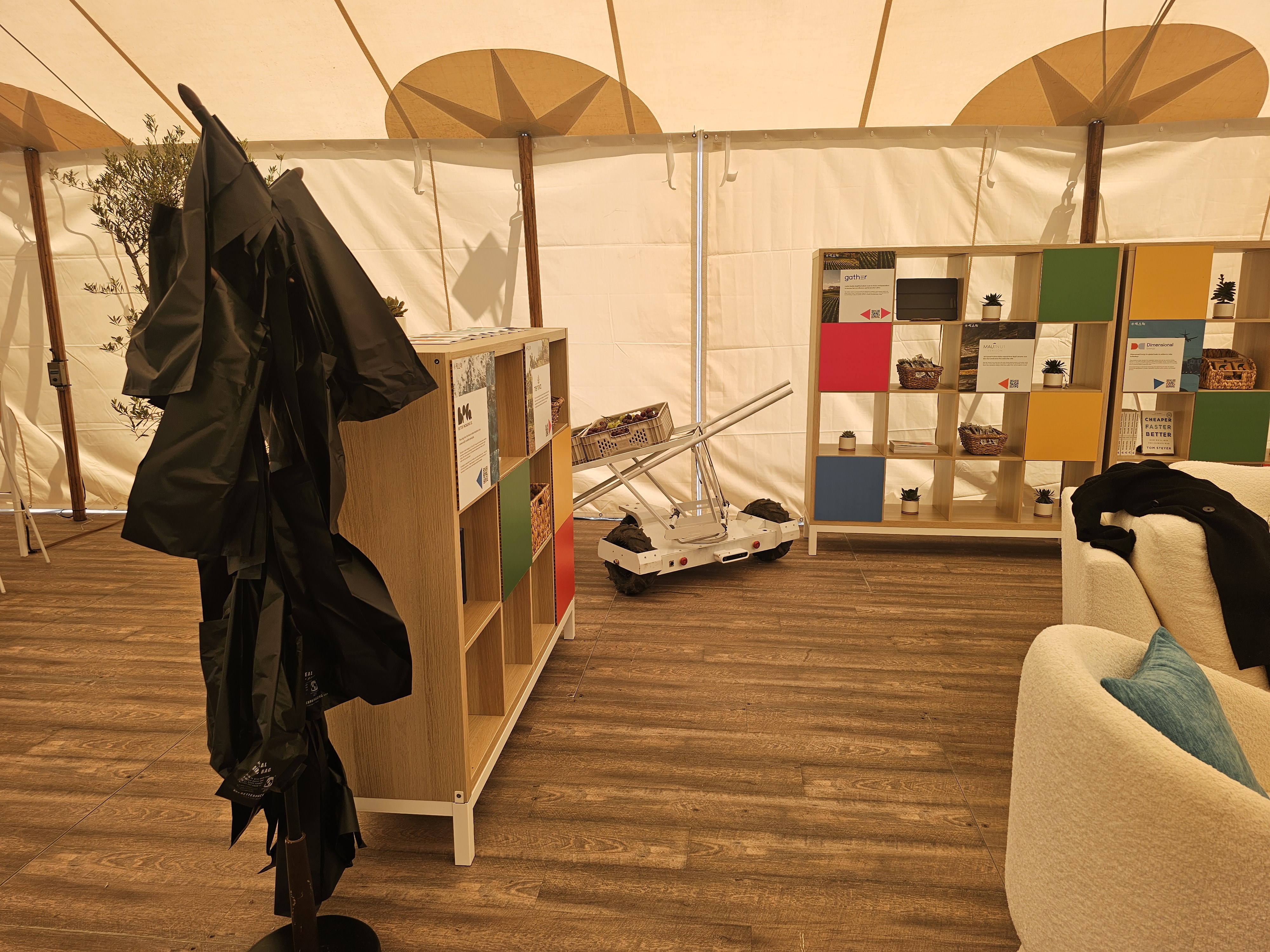
The Gather robot on display at an indoor event, giving visitors an opportunity to see the platform outside of its typical agricultural environment. Events like this provided a way to introduce the system to new audiences and demonstrate how the robot could be adapted for different applications.
Gather project image 10
The Gather robot undergoing in-field testing with an empty wheelbarrow attached. This test was used to evaluate how the robot handled the wheelbarrow over uneven terrain and to verify the attachment system, maneuverability, and overall stability before testing with heavier loads.