Auto-Header Height Control System

Field engineering support project focused on the installation, operation, troubleshooting, and optimization of automated header height control systems used on commercial harvesting equipment throughout California's agricultural industry.

Auto-Header Height Control System engineering project image
Back to Projects

Project Summary

This project involved providing engineering and technical support for automated header height control equipment used on commercial harvesters during the harvest season. The work required installing and maintaining computer, optical, and I/O systems that controlled harvesting operations in demanding field environments.

A significant portion of the role involved diagnosing and resolving field issues to ensure reliable operation during critical harvesting periods. I worked directly with operators and mechanics to improve system performance, minimize downtime, and provide technical guidance on equipment operation and troubleshooting procedures.

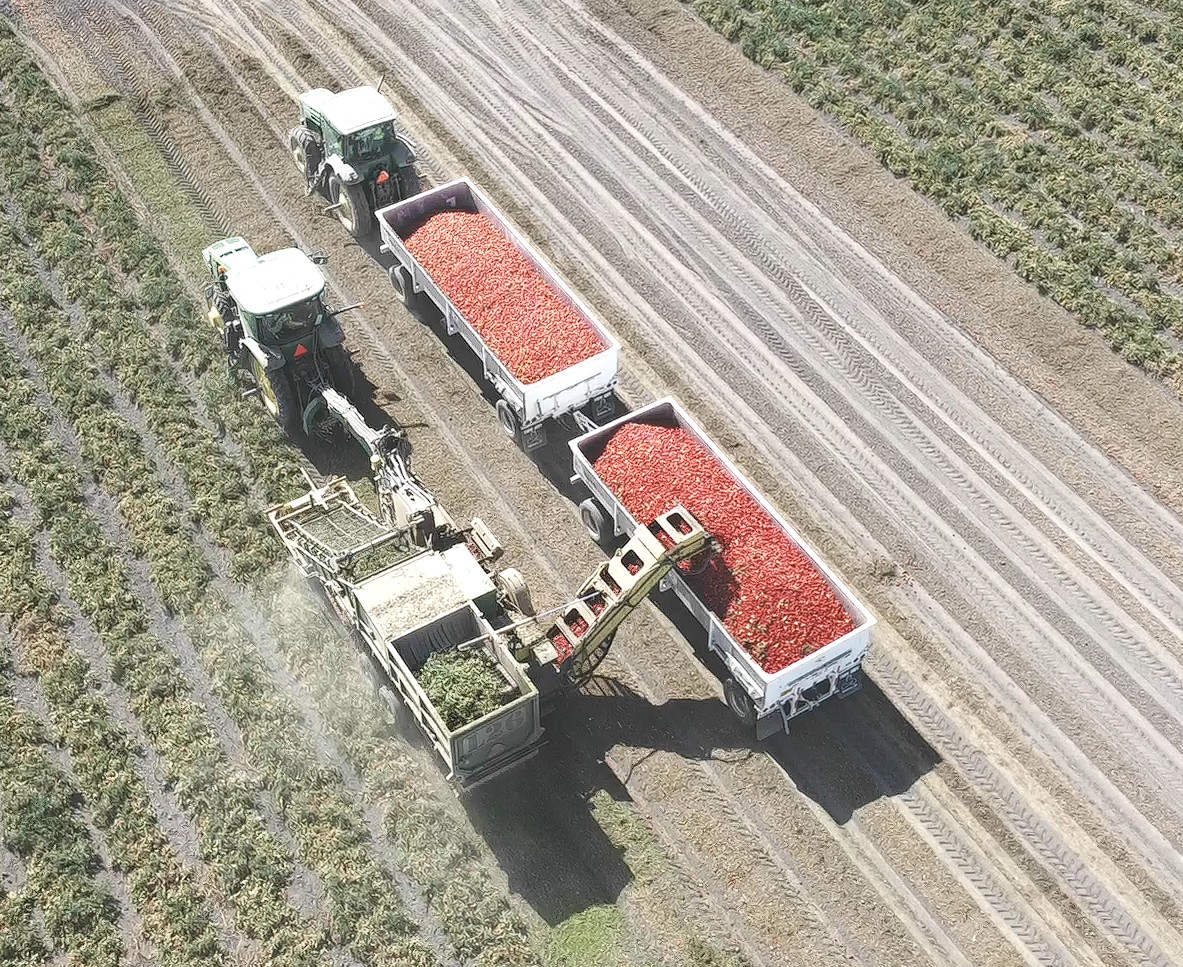
To support performance analysis and documentation efforts, I used a DJI Mavic Mini drone to capture aerial imagery and document field conditions across more than 100 miles of agricultural operations, ranging from Bakersfield to south Stockton, California.

Videos

Footage of an edge-case test conducted at the beginning of a crop row, where the system transitions into normal operation. The interaction between the driver and the system was observed to evaluate behavior at row entry and verify consistent performance as it continued throughout the row.
Demonstration of the auto-header control system being evaluated in a controlled environment to assess its response to changes in elevation detected by the LiDAR sensor. The test verified the system's ability to adjust header position as terrain conditions changed.
Field footage of two operators coordinating to fill a tomato trailer while following established procedures to distribute the crop evenly throughout the tub. This perspective provides valuable operational insights, including tomato distribution patterns, Material Other Than Tomato (MOT) accumulation, and the collaboration required between operators to maintain efficient harvesting operations.
Aerial survey footage of the field prior to harvest, providing a broad view of crop conditions and field accessibility. The imagery can be used to assess tomato density, identify wet or dry areas that may impact harvester operation, detect weed infestations such as morning glory and nightshade, and potentially reveal signs of diseased or infested crops before harvesting begins.
Post-harvest aerial footage of the field following harvesting operations, providing a high-level view of harvest quality and machine performance. The imagery can be used to identify areas where tomatoes were left behind, evaluate harvesting efficiency across the field, and detect patterns that may indicate machine setup, terrain, or operational issues. This information can help growers and engineers improve future harvesting operations and reduce crop losses.

Images

Auto-Header Height Control System overview image
Installed automated header height control system.
Auto-Header Height Control System field image
Field support and equipment documentation.
Auto-Header Height Control System testing image
Harvesting operation review and performance analysis.